Spring: The Showstopper Season
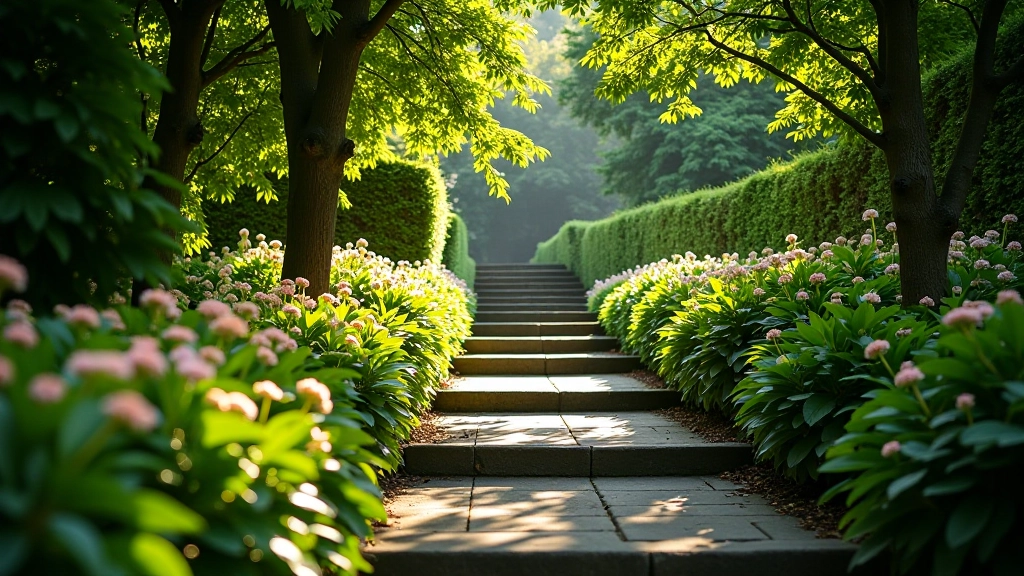
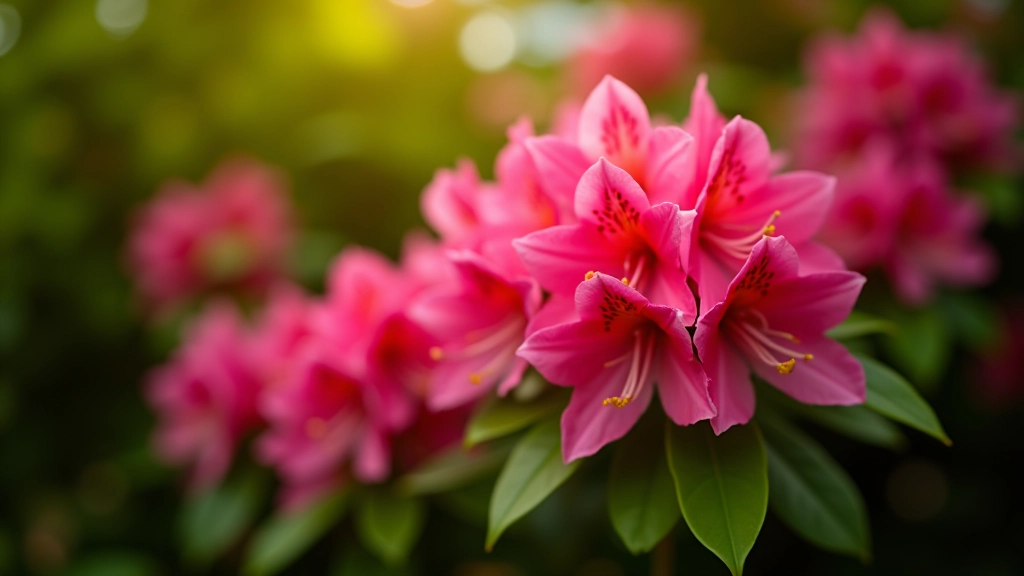
Late March through May is when both Mount Usher and Avoca come alive. The rhododendrons hit peak bloom around mid-April — walls of pink, purple, and white that honestly stop you in your tracks. It's not an exaggeration to say this is the most visually stunning time of year here.
The weather's unpredictable though. You'll get days where it's genuinely warm and others where you're wishing you'd brought an extra layer. Most people find late April ideal — warmer than March, less crowded than May when the school holidays start. The walks are busy but not packed, and you've got good daylight until after 7 PM.
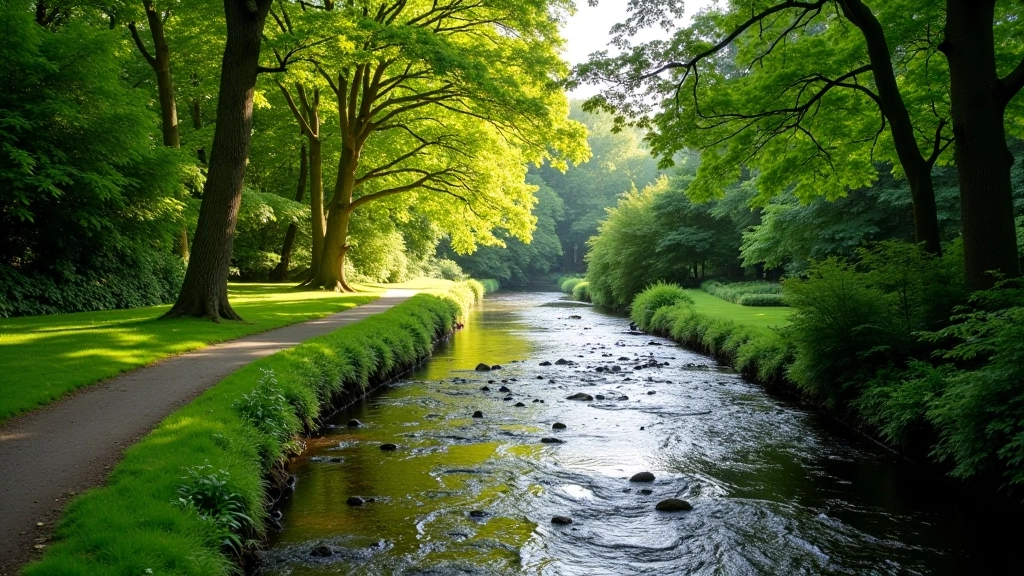
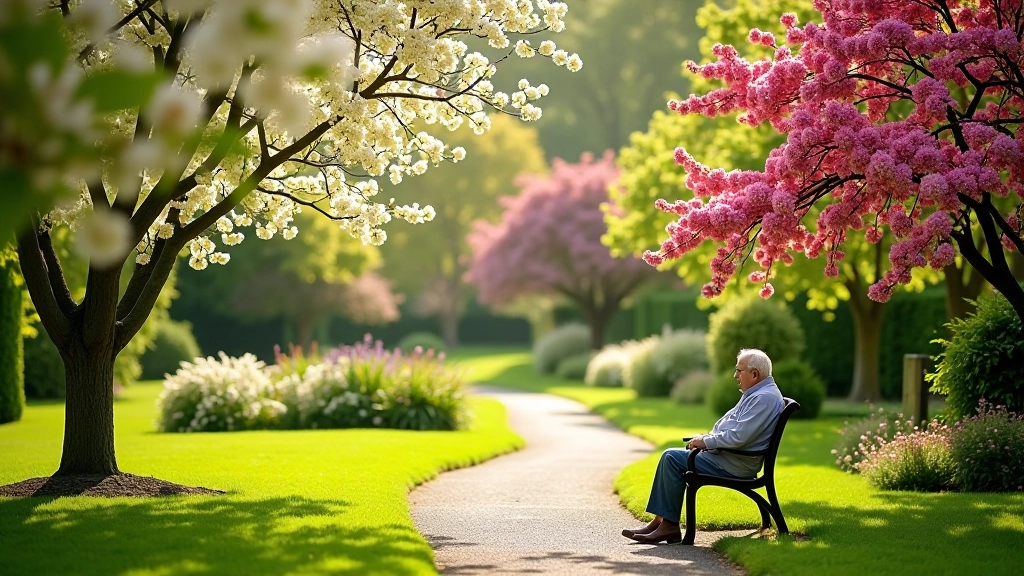
Magnolias flower in early April. If you time it right, you'll see both the magnolias and early rhododendrons together. The riverside walk at Avoca is particularly beautiful in spring because the water reflects the flowering trees. It's something you'll want to photograph.
"The spring display is absolutely worth planning for. I've been going for five years and I still book specifically for April."
— Margaret, regular visitor
Spring at a Glance
- Peak bloom: Mid-April to early May
- Average temperature: 12-16°C (54-61°F)
- Daylight hours: 6am-7pm
- Best for: Photography, flower viewing, moderate walks
Planning Note
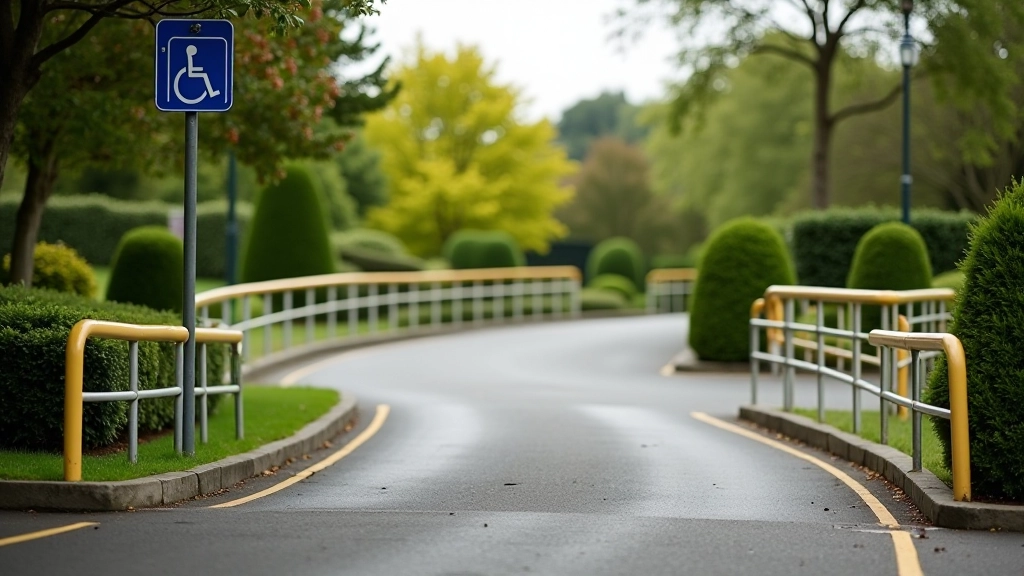
This article is an informational guide to help you plan your visit based on seasonal conditions and visual appeal. Actual opening times, facilities, and accessibility features may change. We recommend checking directly with Mount Usher Gardens and Avoca facilities before your visit, especially regarding parking availability and any seasonal access adjustments.
Summer: Green and Spacious
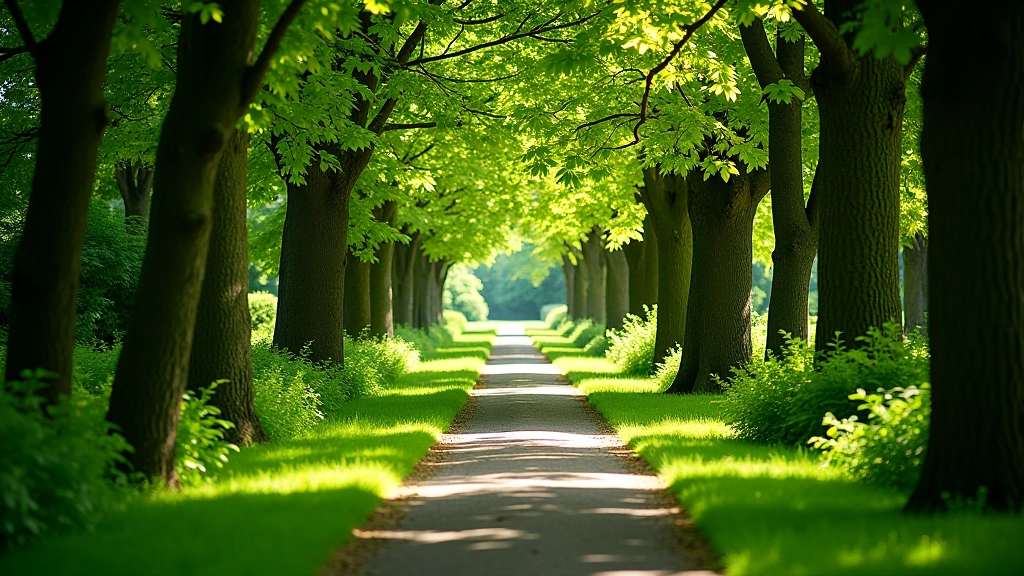
June through August is when you get the warmest weather and longest days. The flowers have mostly finished by mid-June, but what you get instead is lush green foliage, full tree canopy, and shade everywhere you need it. The temperature's usually between 15-20°C (59-68°F). Some days it's genuinely warm. Some days you'll still want a light jacket.
Here's the thing about summer: the walks are less crowded than spring. Families with kids are busy with school holidays, and most tourists have already come and gone. You'll see regular visitors, people who know the place well, and a handful of holiday walkers. The pace is slower. People stop and actually sit on the benches instead of rushing through.
Avoca's riverside walk is genuinely cool in summer — the water keeps the temperature down, and you've got solid shade from mature trees. The walk takes about 90 minutes at a leisurely pace. Bring water. The terrain is mostly flat with a couple of gentle slopes. If you're visiting with older family members, this is probably the best season for comfortable walking.
Autumn: The Quiet Months
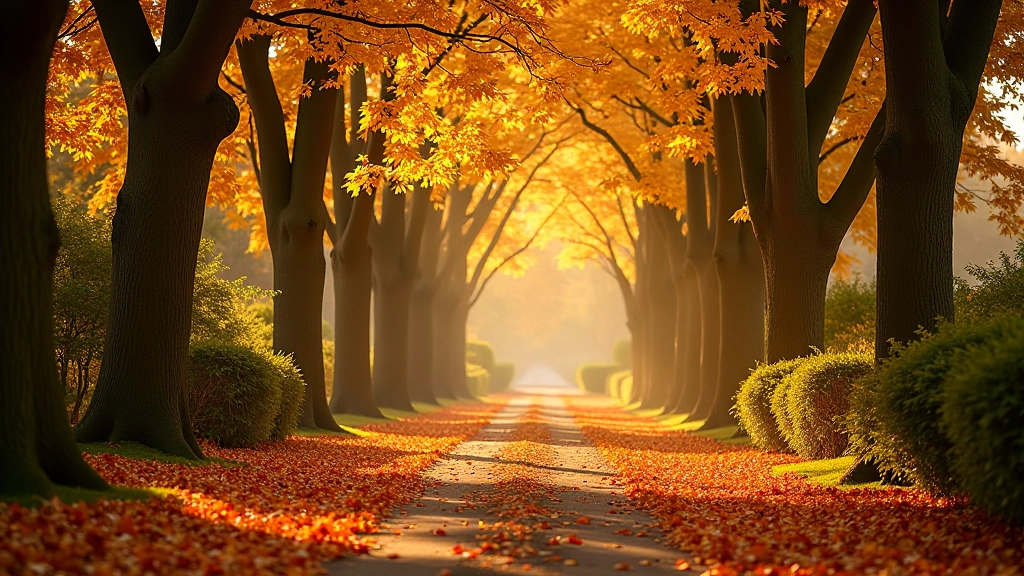
September through November is underrated. Genuinely. The light changes everything — it becomes golden and soft in a way that spring light never quite is. The gardens transition from green to gold to brown, and honestly it's the most photogenic time of year if you're into landscape photography.
September's still warm. October is cool but not cold. November starts getting crisp. The trees start dropping leaves in mid-October, and by November the ground is completely carpeted. It's beautiful but also slightly muddy. Bring proper walking shoes, not trainers. The paths drain reasonably well, but wet leaves cover everything.
The real advantage of autumn is the crowds completely disappear. You'll run into maybe 20 people across the entire estate if you go mid-week. The walking experience is fundamentally different. You hear the water at Avoca more clearly. You notice the birdsong. It's peaceful in a way that's genuinely restorative.
Winter: Stillness and Structure
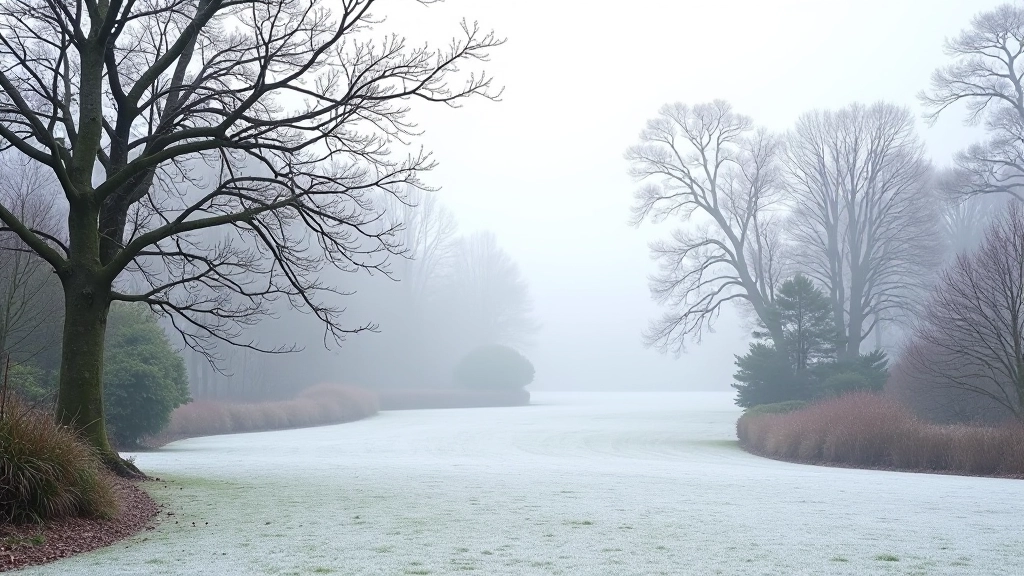
December through February is quiet and cold. Most of the foliage is gone, so you're seeing the garden's actual structure — the bones of the place. The evergreens become the focal point. The winter-flowering plants like winter-flowering heathers and early-blooming hellebores start appearing in January.
It's not warm. Temperature ranges from 2-8°C (36-46°F). Some days are grey and damp. Some days are crisp and clear with genuinely blue skies. The walks are shorter naturally because the days are shorter — you've got maybe 4-5 hours of decent daylight. But the paths are clearer because there's no leaf litter, and the mud drains faster once you get past December's wettest period.
Winter is for people who want peace and space. The riverside walk is particularly good in winter because you're not fighting crowds and you can actually hear the water. The structural beauty of bare trees is something a lot of people overlook. If you're comfortable with cooler weather and don't need the flower displays, winter's genuinely rewarding.
Planning Your Visit
Weather Layers
Irish weather changes fast. Bring a windproof layer even in summer. The walk along the river gets windier in autumn and spring.
Footwear Matters
Spring and summer: trainers are fine. Autumn and winter: proper walking shoes with grip. The paths get muddy October through January.
Best Light Hours
Morning light is cleanest April through June. Afternoon light is best in autumn. Winter, aim for 11am-3pm for maximum daylight.
Timing the Visit
Mid-week visits are quieter year-round. Spring weekends are rammed. Autumn mid-week is genuinely peaceful.
Making Your Choice
There isn't a wrong time to visit. It genuinely depends on what you want from the experience. You're looking for flowers? April is non-negotiable. Want comfortable walking weather and fewer people? June or September. Need peace and quiet? October through February. The reality is that each season offers something different, and what's perfect for one person might not suit another.
What we've noticed from years of visiting and talking to other regulars is that people often visit the same season year after year without trying others. Spring's beautiful, no question. But you're missing something real if you've never walked the riverside in October with nobody else around, or experienced the structural beauty of bare winter trees.
Book your visit based on the season that matches what you actually want to experience. Don't assume spring is best just because it's the most famous. Some of the most memorable visits happen when you're willing to try a different time of year.