
Mount Usher Gardens: A Gentle Walk Through History
Explore 20 acres of carefully designed pathways, flowering shrubs, and riverside views at your own pace. This guide shows you exactly what to expect, where to rest, and how to make the most of your visit to one of Wicklow's finest heritage estates.
Why Mount Usher Stands Apart
Mount Usher's reputation for accessibility doesn't come from marketing speak — it's built into the actual design. The estate sits on gently sloping grounds that let you control how much walking you do. You're not trapped on a single loop. Instead, there's a network of paths so you can dip in and out, spend an hour or spend the whole afternoon.
The real difference shows in the details. Benches appear exactly where you need them — at viewpoints, near the river, in shaded spots. The main pathways are wide enough for two people side by side and well-maintained year-round. And unlike some gardens that feel like you're following sheep, Mount Usher's layout gives you genuine choices about where to go next.
20
Acres of gardens and woodland
1868
Estate established by the Walpole family
25+
Seating areas throughout the grounds
The Layout: Pathways and Routes
Mount Usher doesn't throw you into the deep end. When you arrive, you'll see the main approach — a tree-lined drive that sets the tone. It's not intimidating. It's inviting.
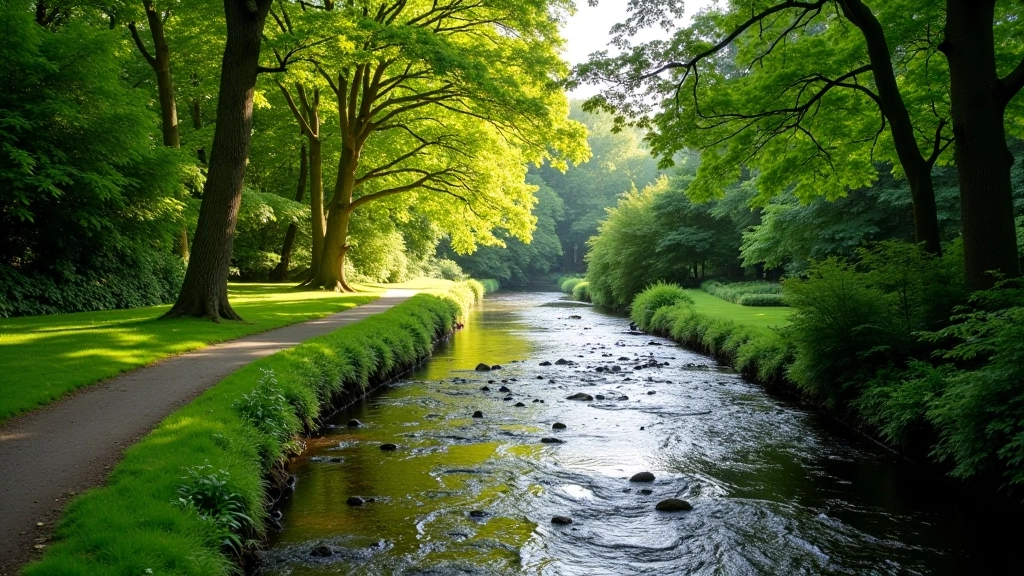
The gardens spiral outward from a central area. You can walk the outer loop (takes about 45 minutes at a relaxed pace) or dip into shorter sections. The river walk along the Vartry is perhaps the most popular route — it's genuinely peaceful and the sound of water makes everything feel slower, better. Most people describe it as meditative rather than exertion.
The gradient matters here. Nothing's truly flat, but nothing's steep either. You're never gasping. The paths wind through different zones — formal gardens, woodland areas, open meadows — so there's visual variety even if you're taking it very slowly.
Key detail: The main paths are gravel or compacted stone. If you use a mobility aid, the upper sections are easier than the lower riverside walk. But you can absolutely choose based on what works for you.


Rest Spots and Seating
The number of benches is genuinely impressive. There are over 25 seating areas scattered throughout the grounds. They're not crammed into corners either — they're positioned where you actually want to sit and spend five minutes just looking around.
You'll find sheltered spots near the woodland areas (useful if the weather's a bit dodgy), open benches at the river viewpoints, and shaded seats under mature trees. Some benches face the water. Others overlook the formal gardens. The point is you're never more than a few minutes' walk from somewhere to rest.
This might sound like a small thing. It's not. It's the difference between feeling like you're on a forced march and feeling like you're choosing your own pace. You can walk 20 minutes, sit for 15, walk another bit. That rhythm is what makes these places actually enjoyable rather than tiring.
Important Information
This guide is educational and informational. While Mount Usher Gardens is known for its accessibility, individual needs and mobility levels vary significantly. We recommend contacting the estate directly about specific accessibility features that match your personal requirements. Conditions and facilities can change, so it's always wise to confirm current details before your visit. The information here reflects general knowledge about the gardens but shouldn't replace direct conversation with the estate staff.
What to Expect: Season by Season
Spring (March to May)
The rhododendrons and magnolias are the stars. The gardens feel like they're waking up. It's cooler than summer, so longer walks feel less like work. Rainfall means things are lush and green. Most people find spring the best time — fewer visitors, everything's in bloom, and the temperature's comfortable for gentle walking.
Summer (June to August)
Warm and sometimes quite hot. The shade becomes genuinely valuable. The river walk is especially nice because you're near water and under trees. Crowds are bigger during school holidays, so morning visits tend to be quieter. The formal gardens are at their peak, but you'll probably want to take more rest breaks.
Autumn (September to November)
Probably the most underrated season. The trees turn brilliant colours. It's quieter than summer. The temperature's perfect for walking — cool but not cold. Autumn light has a quality that makes everything look better. If you want the best combination of comfort and beauty without summer crowds, this is it.
Winter (December to February)
The gardens go quiet. Some plants look sparse, but there's an elegance to winter landscaping. It's cold, so you need proper clothing, but there are almost no visitors. The bare trees let you see the structure of the gardens in ways summer growth hides. It's contemplative rather than colourful.
Planning Your Visit: Practical Details
Mount Usher's location in Ashford, County Wicklow, makes it accessible without being in the middle of nowhere. The estate sits in a valley, which means the approach isn't steep but you do descend to reach the main gardens.
Parking is straightforward — there's a dedicated car park close to the entrance. From the car park to the main garden area, it's a gentle walk. The estate has thought about flow, so you're not confused about where to go.
Most visits run 1.5 to 3 hours, depending on how much time you spend sitting and looking around. You're not racing. You can do a quick 45-minute riverside walk or spend a whole afternoon exploring. There's a café on site if you need proper refreshment rather than just a bench to sit on.
Before You Go
- Wear comfortable, supportive footwear — the paths are good but you're still walking on uneven surfaces
- Bring water. The café's there but having a bottle with you means you can sit and drink whenever
- Weather changes fast in Wicklow. Even if it looks fine, a light waterproof's worth carrying
- Go in the morning if you prefer fewer people. Weekdays are quieter than weekends
- Check opening hours before you go — seasonal variations happen
The Real Value of Mount Usher
Mount Usher works because it doesn't pretend to be something it's not. It's not a day-long endurance event. It's a place where you can walk as much or as little as you want, sit whenever you like, and experience genuine beauty without having to earn it through effort.
The 20 acres give you choice. The benches give you permission to rest. The varied pathways let you adjust your route based on how you're feeling that day. That's what accessibility actually means — it's not a ramp tacked onto something that wasn't designed for you. It's built into the whole thing from the start.
Whether you've got mobility challenges, you're recovering from something, or you just prefer a gentle pace, Mount Usher's got you. The history is genuinely interesting. The setting is beautiful. The experience is peaceful. That's a pretty good combination.
Explore Related Guides
Learn more about other accessible gardens and riverside walks in Wicklow
You Might Also Explore